




I’ve been realizing something lately. Parenting is painful. It is not the exhaustion of infancy, or the frustration of toddlerhood, or even the eye-rolling theater of adolescence. It is the quiet, cumulative grief of watching someone you love steadily and necessarily move away from you. It’s come to me as a kind of creeping grief that doesn’t arrive all at once. It comes in waves, at thresholds that we are supposed to celebrate.
The First Letting Go: Early Childhood
Even before the dramatic departures, the letting go begins small. The first sleepover. The first time my child didn’t reach for my hand crossing the street. The tiny acts of defiance that set the stage for individualization.

Each of these micro-separations was a rehearsal. My child was practicing independence, and I was practicing release. What mattered was that I cheered their growing autonomy even as I privately felt the shift. Connection wasn’t disappearing. It was transforming. I was proud of my ability to accept my children’s growing autonomy. Their comfort in separation was a sign that I was doing parenting well. Yay me!
The Middle Years: The Slow Renegotiation
Through elementary and middle school, the parent-child relationship began a long renegotiation. Where we were once the center of their universe, we begin to occupy a different kind of role. Peers rise in importance. Privacy becomes currency. They are building an internal world that we are not always invited into.
This phase was destabilizing initially, particularly because my identity was closely wrapped in caregiving. This is where many parents inadvertently pull too tight, unconsciously resisting evolution because the grief of it hasn’t yet been processed. It took a bit, but I found my footing, and my child and I renegotiated our terms. We worked on mutual understanding, agreement, and communication guidelines. It was a harder readjustment to these new boundaries. And the longing for the old, more cuddly, connection persisted. But I was pleased with my ability to roll with the punches. Yay me?
The First Geographic Separation
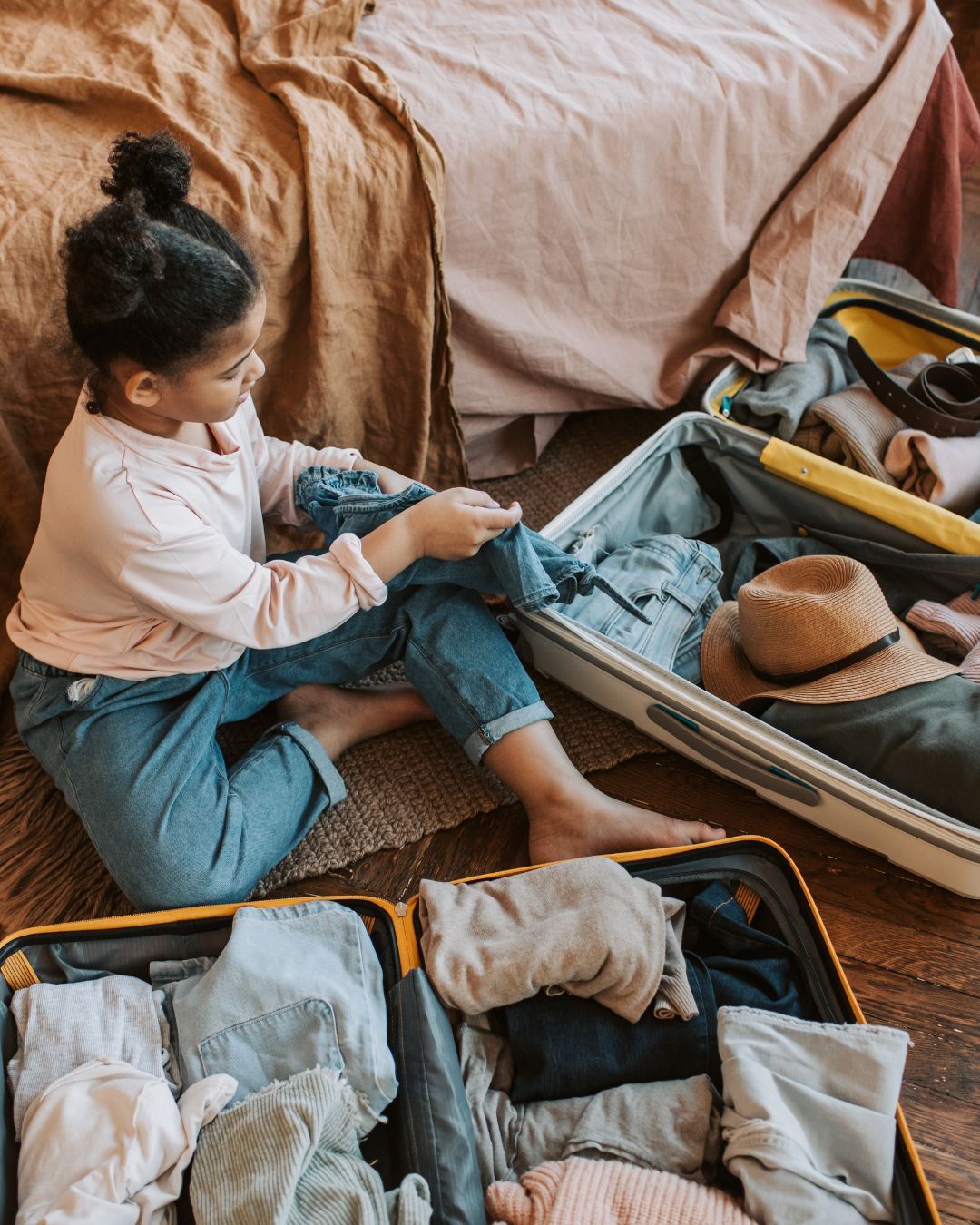
For some families, the renegotiation of development and the experience of grief is accelerated by a physical departure or a change in the family status. A child whose parents separate and now splits time in two homes, or one who leaves home for boarding school, a specialty program, or a year abroad is managing a quick downshift into strategic communication and connection across space and time, separated from your physical availability. This can be at any age and carries its own suitcase of emotions. It is a distinct threshold that compresses the emotional work that others have the luxury of spreading across years.
When a child leaves or splits time, the family structure reorganizes overnight. The rhythms we take for granted go quiet or thunderously switch gears. And you realize, perhaps for the first time, how much of your daily identity was organized around their presence.
This grief can bring on anxiety or come on suddenly as you haven’t had the time to organize around your need for physical presence. Relationship building can feel unfinished or at a new starting point. What’s crucial here is that this kind of separation, while painful, can be healthy for both the child and the parent when connection and communication continue to evolve along with one another. The child gets to discover who they are outside of your gaze and you get to discover who you are outside the role of daily caretaker. But that discovery comes at a cost, and that cost deserves acknowledgment.
The Relationship by Choice
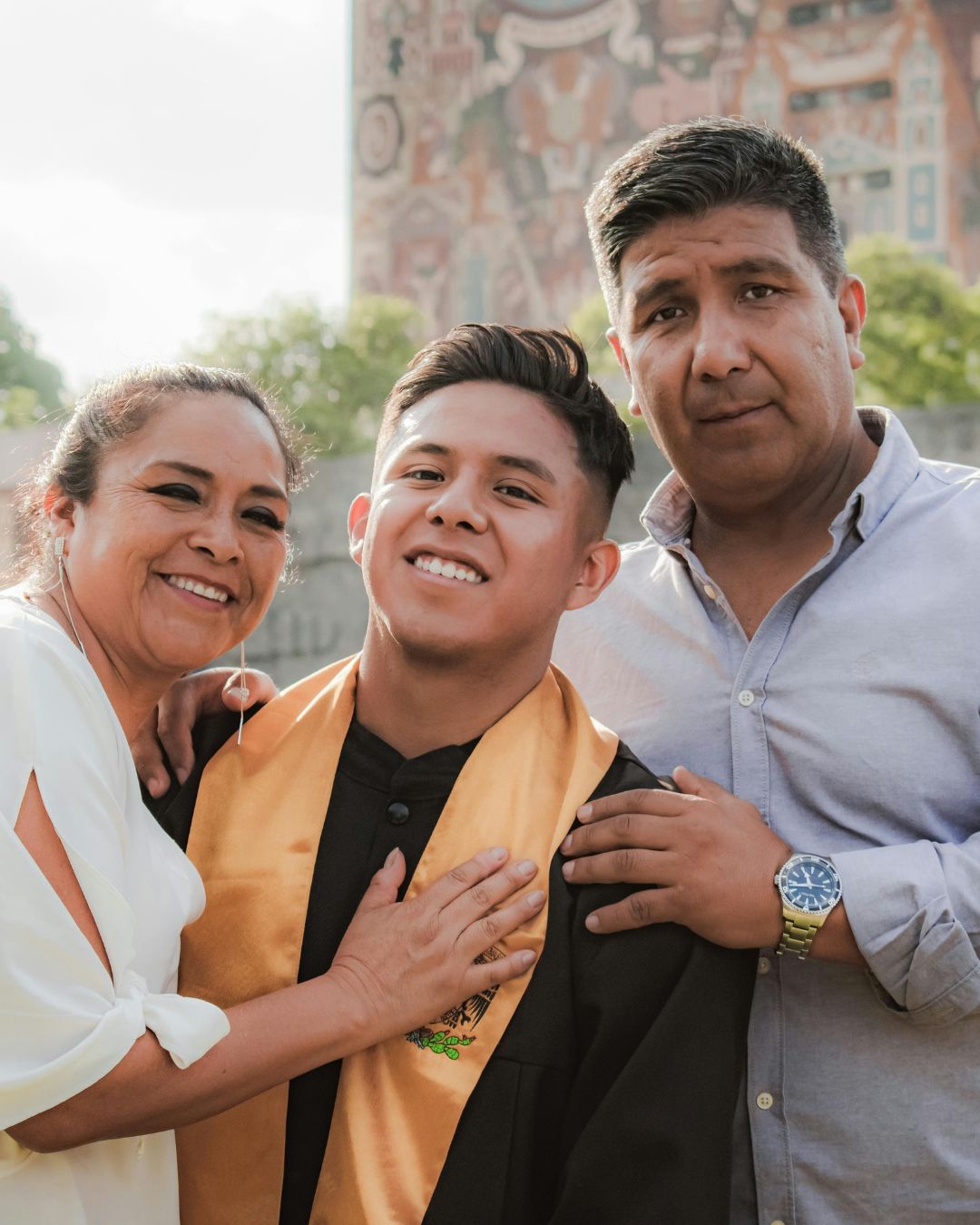
This is where the rubber hit the road and where I currently stand. By this point our kids usually know what kind of relationship they want with us. It is a time mixed with joy, fear, and grief. Society has rituals for entrance into adulthood. For many it is graduation or a first move out of the family home. The cap and gown are not just celebrating the graduate, they are marking a before and an after.

Even for parents whose children are not leaving home immediately, something shifts. The legal, cultural, and developmental permission for adulthood has been granted. Your child is now someone who doesn’t need you the same way. They may still want you, that’s what we hope for, but the relationship of necessity is dissolving into a relationship of choice.
That is both beautiful and terrifying.
When a child graduates, the last institutional scaffold of childhood is gone. What remains is a relationship between two adults, one of whom happens to have raised the other. That is both the gift and the challenge. I am not yet in this position, but I am bracing myself. It won’t be long.
I know that the parent-child bond doesn’t end. But it can no longer operate on the terms of childhood. It must be rebuilt, consciously, on mutual respect, healthy boundaries, and the willingness of both parties to show up for each other in new ways. For many parents, this is the work of our fifties and sixties: learning to relate to their child as a peer without erasing the history, the love, or the wisdom that comes from having known them since before they had words.
The Permission to Grieve

We are allowed to grieve these transitions. Unprocessed grief doesn’t disappear, it leaks. It becomes the parent who calls too often, who makes their child feel guilty for living their own life, or who quietly resents a daughter-in-law or a son’s independence.
When you grieve consciously, when you say, this is loss, even though it is also good, you create space to celebrate your child’s growth without demanding they stay small for your comfort.
The goal of parenting was never to raise children who need us forever. It is to raise a human who knows how to love, how to receive love, and who chooses freely to keep you in their life.
That choice, when it comes, is everything.