






It’s a hot conversation right now, one that seems silly to need to address, but here we are regardless. How do we teach boys to be respectful of girls, and whose job is it? There’s a version of this conversation that centers on rules: don’t speak to girls that way, don’t touch someone who doesn’t want to be touched, respect your mother. These are good rules to have, and rules have their place. But rules are architecture without a foundation. A person who follows rules because they are told to will look for the edges. Someone who has internalized the value of the people around them doesn’t need to be reminded.
That understanding doesn’t come from a single talk. It comes from watching. And the primary person most boys are watching, whether or not their father, stepfather, or grandfather knows it, is the other men in their lives. This isn’t new information, but we often forget that little eyes are everywhere, all the time.
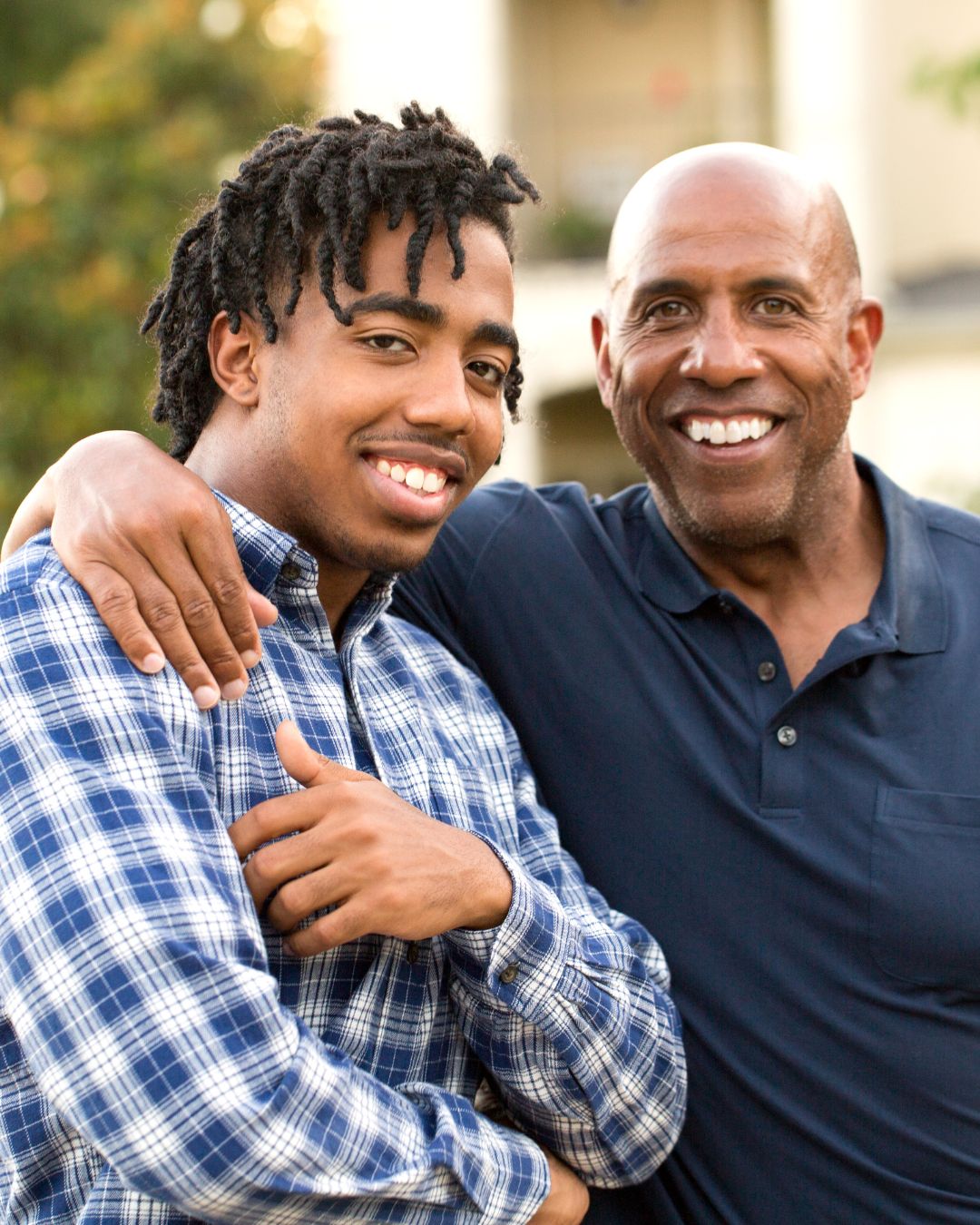
Fathers carry a quiet and continuous influence simply by being present and engaged. The way a father speaks to their partner when they think no one is listening. The way they respond when their son says something dismissive about a girl. The way they treat the women in the community, teach their children, and work beside them. Boys are watching all of it.
What Boys Are Actually Learning From You
Fathers have a distinct and powerful influence on how boys come to understand gender through modeling. Boys whose fathers treat women as intellectual and emotional equals are more likely to hold those same values as they grow. Boys who watch their fathers dismiss, interrupt, joke about or minimize the women in their lives absorb that pattern too, without anyone saying a word.
But this isn’t primarily a story about risk. It is a story about possibility. When a man brings his whole self to parenting, when he shows curiosity, emotional honesty, and genuine respect in his relationships, he gives his children a map of who a good person is.
Fathers Who Got It Right: Real and Composite Examples
Barack Obama has spoken openly about the role he wanted to play in modeling partnership for his daughters — but his example applies equally to raising sons. He consistently named Michelle Obama as a full partner, spoke about her work with visible pride, and publicly acknowledged when she was carrying more than him. He didn’t just respect her in private. He modeled what respect looks like in public spaces, where boys could see it.
Fred Rogers — Mr. Rogers — was a man who spent decades modeling emotional intelligence for children in a way that was entirely counter to what “being a man” was supposed to look like. He told boys it was okay to feel, to cry, to be uncertain. He modeled kindness not as softness but as strength. Many fathers carry his influence without ever naming it.

Then there are the quieter examples — the dad who tells his teenage son, when that son laughs at a crude joke about a girl at school, ‘That’s not who we are.’ Not with anger. Not with a lecture. Just with calm clarity about what this family stands for. The father who apologizes to his partner in front of his children when he’s wrong — not performing it, just doing it naturally, because it is the right thing and he wants his children to see what accountability looks like.
These men are not perfect. That is exactly the point. Connective parenting doesn’t ask fathers, or anyone, to be flawless. It asks them to be present, honest, and willing to let their sons see them try.
The Difference Between Guiding and Ordering
There is a meaningful distinction between a father who tells his son ‘you will respect women’ and a father who helps his son understand what respect actually means and why it matters. The first produces compliance when supervised. The second builds character that travels with a child when no one is watching.
Guidance sounds like: ‘What do you think she was feeling when that happened?’ Or ‘When you said that, I don’t think it landed the way you intended. What were you actually trying to say?’ It sounds like a father noticing something and naming it gently, without turning every moment into a lesson.
It is slower. It is less satisfying than a clear directive. And it works.
Practical Approaches for Fathers of Boys
Name what you notice.
When your son says or does something that diminishes a girl or woman, name it quietly: ‘That came across as dismissive. I don’t think that’s what you meant.’ You’re not attacking him — you’re inviting reflection.

Let him see your partnership in action.
Boys don’t learn what healthy partnership looks like from speeches. They learn from watching you navigate disagreement, share decision-making, and acknowledge your partner’s contributions out loud.
Talk about girls as people, not categories.
When conversations about girls come up, keep the focus on the specific person rather than ‘girls’ as a group. It models individualized thinking and discourages the kind of broad dismissiveness that feeds disrespect.
Ask him questions about what’s happening socially.
Boys need adults who are genuinely curious about their relational worlds, not just their achievements. ‘How are things with your friend group?’ opens more than, ‘How was school?’
Own your mistakes in front of him.
The single most powerful thing a father can do to teach his son accountability is to practice it himself — not dramatically, just honestly. ‘I handled that badly this morning. I’m going to apologize to her.’

What You Are Building
The goal is not a son who knows the right things to say about respecting women. The goal is a young man who has genuinely internalized women’s humanity — who finds it natural, not effortful, to listen, to consider, to partner.
That young man doesn’t come from a single conversation. He comes from a thousand ordinary moments in which his father was paying attention and chose to be worth watching.