




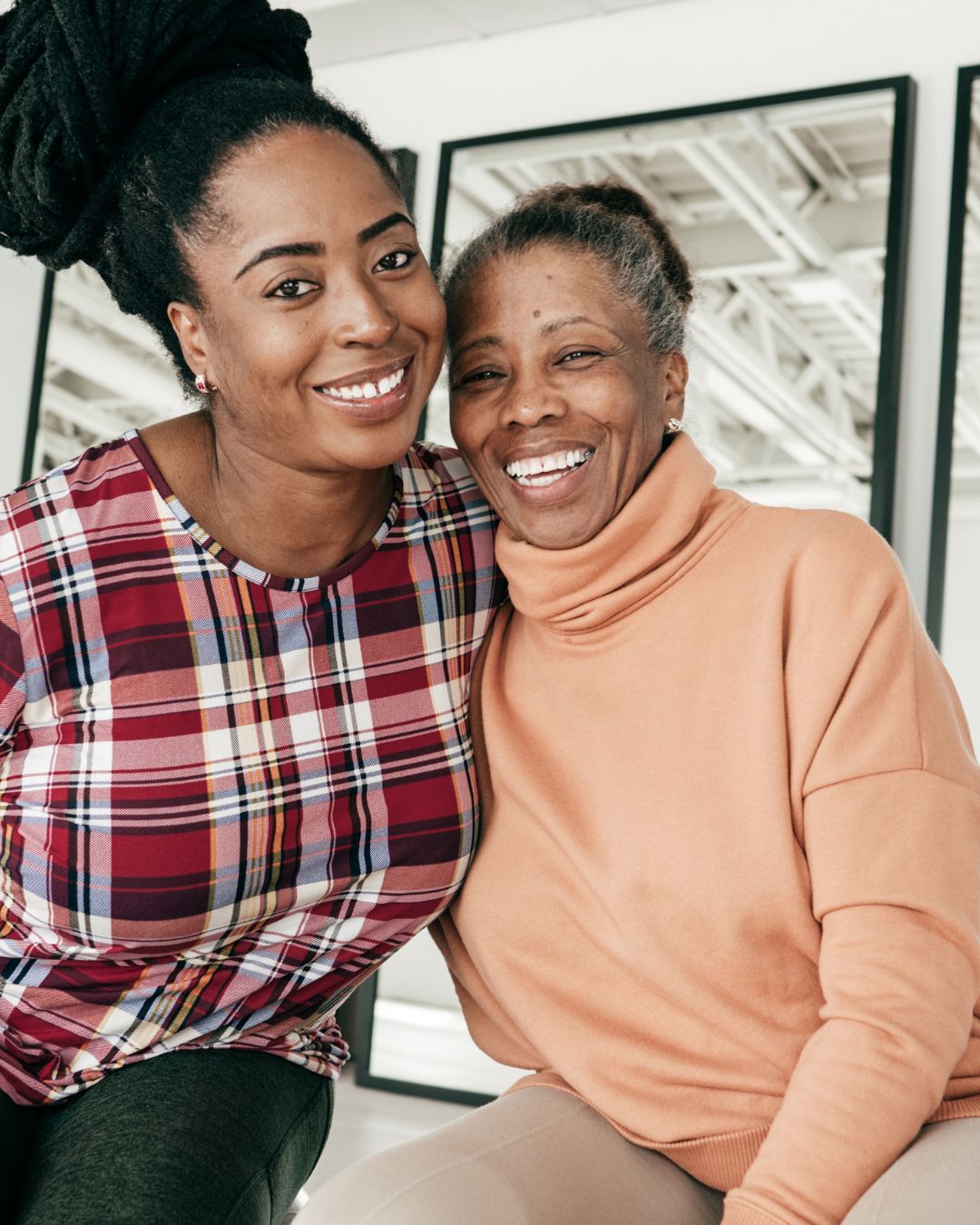
Being on the “other side” of parenting, I have a perspective I believe is important to understand. Most of you are in the thick of it, and when your day to day is mostly conducted in survival mode—”How do I get through this day? I’m so exhausted. What do you mean pay attention to how my child is feeling?”—the last thing you think about or plan for is what your relationships may be like when your children are grown.
This is a big birthday year for me. I decided what I wanted for my birthday was to spend one on one time with each of my two children—both parents of young children and very, very busy people. They both responded with “Great. Let’s do it.”
I just returned from several days on Block Island with my daughter. Earlier this year, I spent several days in Jamaica with my son. We never lacked for things to talk and laugh about. We had meaningful, heartfelt discussions that took us into deep places. And they each expressed having a wonderful time. I feel like a very lucky woman to have had such fulfilling times alone with each of my children.
Actually, luck didn’t play a big role. There was a lot of work over many years that resulted in great relationships with each of them. Mostly it all boiled down to connection. In good times and bad, from little children to young adults, we were always (mostly) able to talk situations through in ways that were considerate and respectful. What was burned into the inside of my head was, “How would I like hearing what I’m saying right now?” And that boiled down to not taking attitudes and behaviors personally.
This doesn’t mean that you should be calculating 40 or 50 years into the future when you are dealing with a toddler’s tantrum, managing an aggressive, impulsive child’s punches and hair pulling, considering how to handle screen time or homework, or responding to your teen’s eye-rolling “attitude” and claims of your cluelessness. But it does mean, understanding yourself enough so you can take responsibility for your emotions and reactions to those kids without blaming, threatening or punishing them for doing things you don’t like. And creating a mutually respectful relationship. It means learning enough about your children to see that those behaviors you don’t like are generated from their current emotional state and not because they want all the power.
When my daughter was four and five, we were in daily fights over getting ready in the morning. She resisted everything I asked. I thought she was being defiant, belligerent and oppositional. Mostly I thought she was out to get me. How could any decent, self-respecting mother allow this. I yelled, I threatened, I got really upset. Then one morning I looked at that little face, saw the same stuck out bottom lip, the same pout, and I did a mental flip. I realized she wasn’t out to get me, she was miserable. My emotions switched from anger to compassion—and our relationship changed for good. She didn’t change, I did.
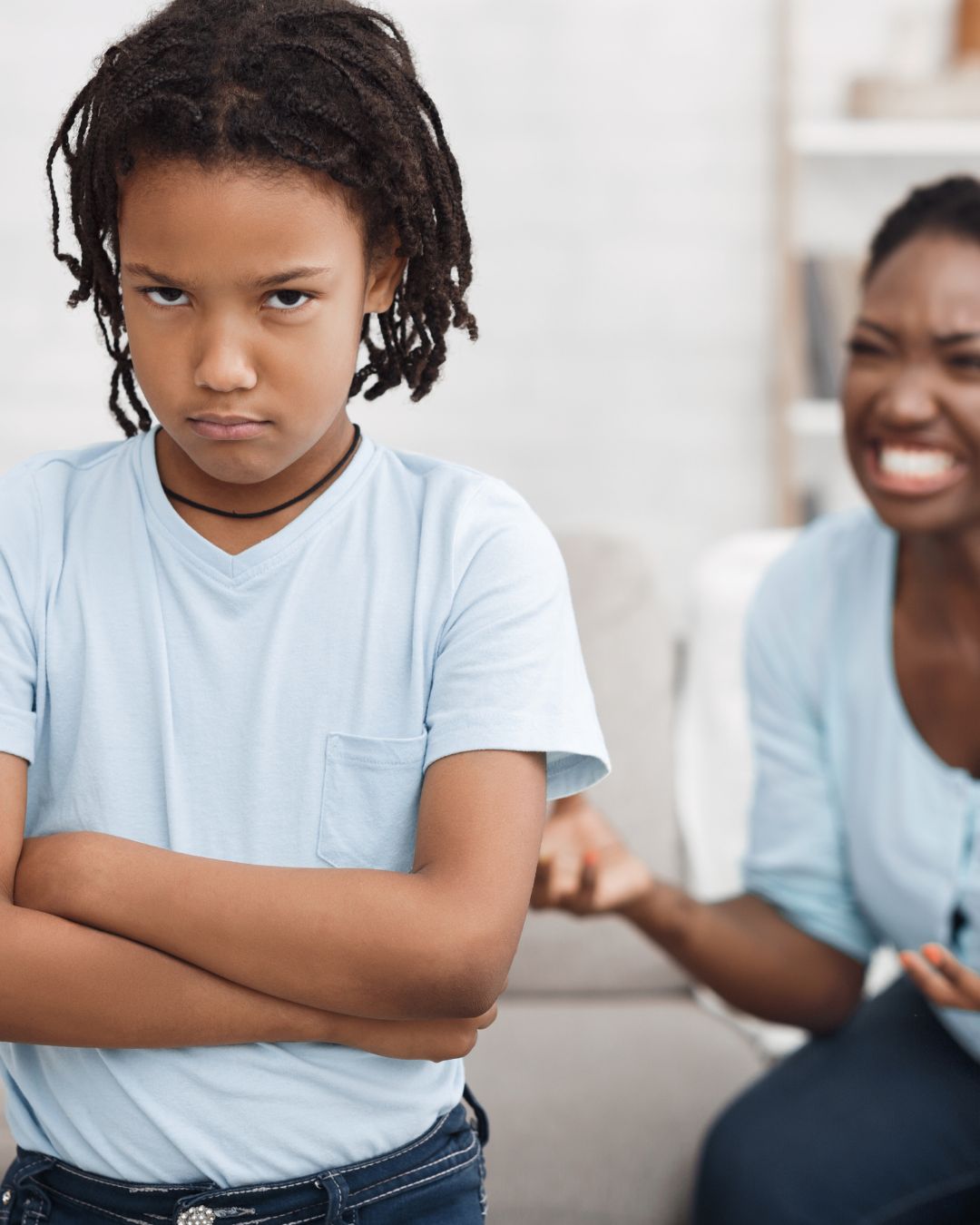
When a child feels blamed or threatened or punished, they rarely think, “Oh dear, I shouldn’t have done that. I won’t ever do that again.” Instead they feel angry, belittled or stupid, and they think, “I have to learn sneakier ways to get what I want”, “I can’t trust my parents”, or “I’m bad and wrong”, “I can’t wait to get out of this house.”
It’s a lot of work putting the pieces together to make sense of why we react to our kids the way we do. It usually has roots in messages we got from our parents, who didn’t understand the impact of their words interpreted through our immature, egocentric brain development that we are a burden, stupid, never good enough, invisible, unloved, unimportant, unacceptable, etc. So when others—especially our children—tap into those old messages and push our buttons, we react badly.
When you understand that those messages you believe about yourself were actually not true, they begin to fade. You no longer have to defend and protect those hurts. Which means you can be vulnerable and honest. When I was traveling with each of my children, I could have meaningful connections because I didn’t have to uphold some old notion that I had to be the parent, whatever that meant. I gave that up a long time ago—not being a parent but acting like a parent. No adult child wants to spend a lot of time around that.

When you change your perspective because you no longer have to hold on to old principles of parenting, you can see your children differently; individually. And the magic comes when you finally get it in your gut: When my child behaves badly it means they’re HAVING a problem, not BEING a problem—compassion is more accessible.
All this takes time. I believe the responsibility of parenting is the process of understanding yourself and your reactions. This is NOT to say that your child is relieved of responsibility. It IS to say that your child is not and should never be responsible for how you think, feel or react. My children and I could never have the relationships we do if they felt responsible for my happiness. I would never hear about their experiences if they worried about how I would take them.
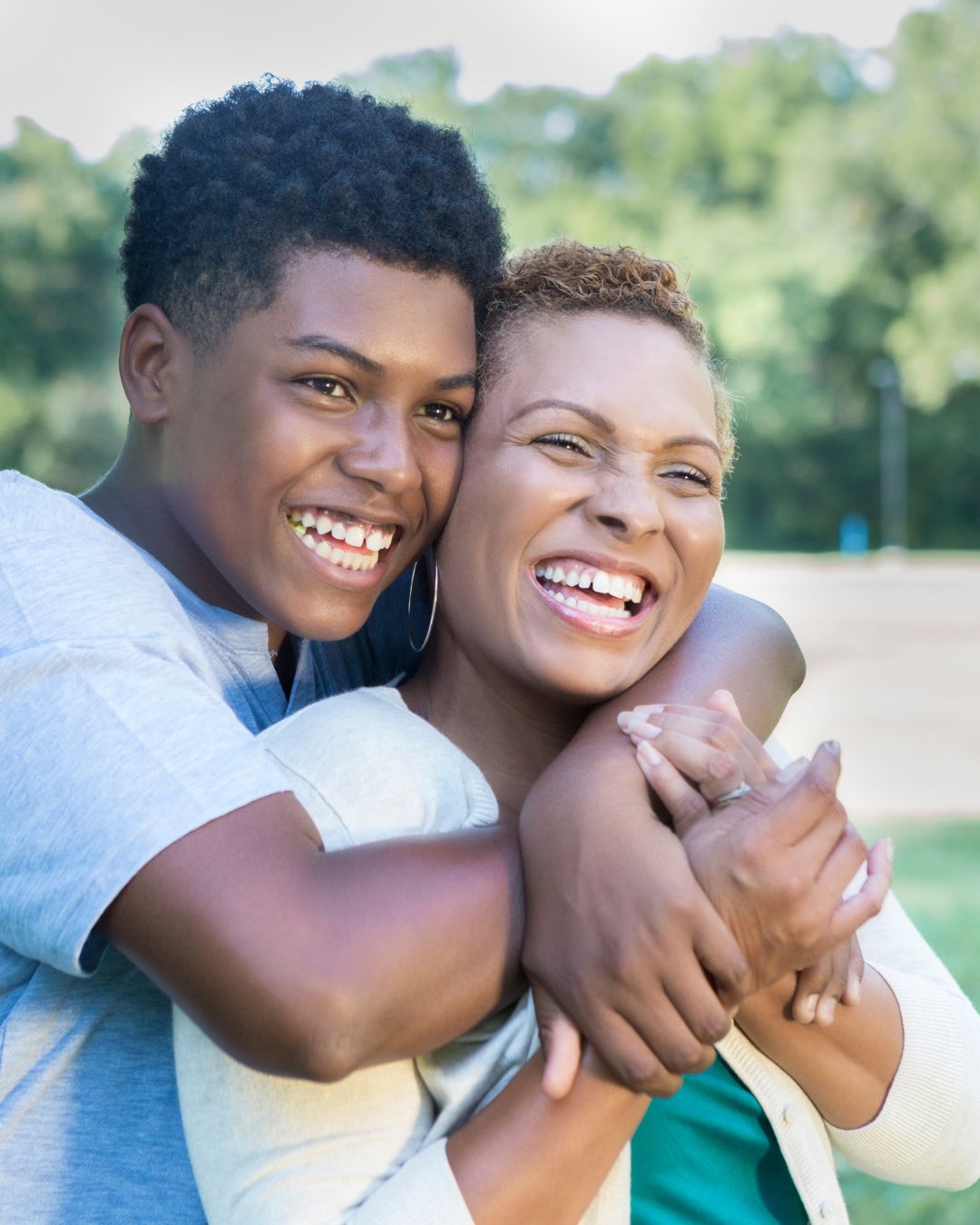
So, from the other side of raising kids, I can truly say that focusing on connection, mutual respect and teaching consideration by modeling it without blame or punishment contributes to raising successful, compassionate, respectful, kind and responsible humans. When that connection is present no matter what—through-out your day-to-day struggles from getting out the door to bedtime—your relationships will last your lifetime.
Of course you will lose it and react in ways you don’t like. It’s how we take responsibility for our mistakes that makes all the difference. This parenting work—the hardest you will ever do—is an investment in your future relationships with the most important people in your life.